
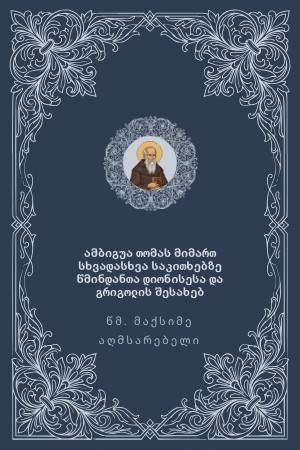
ამბიგუა თომას მიმართ სხვადასხვა საკითხებზე წმინდანთა დიონისესა და გრიგოლის შესახებ
მაქსიმე აღმსარებელი · 7 საუკუნე
მოკლე პასუხი
“ამბიგუა თომას მიმართ სხვადასხვა საკითხებზე წმინდანთა დიონისესა და გრიგოლის შესახებ” მაქსიმე აღმსარებლის მიერ, იკვლევს ქრისტიანული ტრადიციის ღრმა თეოლოგიურ კონცეფციებს.
წაიკითხე ერთი წიგნი ანგარიშის გარეშე. უფასოდ შედი და განაგრძე კითხვა.
- Dogmatics and Polemics
- სულიერი ბრძოლა
- წმიდა სამება
- განკაცება
- კენოზისი
- განწმედა და განღმრთობა
წიგნის შესახებ
| ავტორი | მაქსიმე აღმსარებელი |
|---|---|
| ხანა | 7 საუკუნე |
| თავები | 11 |
| ჩვენს ბიბლიოთეკაში | სრული ტექსტი ინგლისურად და გერმანულად, აუდიოწიგნი 1:12:55 |
„ამბიგუა თომას მიმართ სხვადასხვა საკითხებზე წმინდანთა დიონისესა და გრიგოლის შესახებ“ მაქსიმე აღმსარებლის მიერ, იკვლევს ქრისტიანული ტრადიციის ღრმა თეოლოგიურ კონცეფციებს. სულიერი მოძღვრის, თომასადმი მიწერილ წერილებში, მაქსიმე რეფლექსიას ახდენს ღვთაებრივის ერთიანობასა და ბუნებაზე, ქრისტეს განხორციელებაზე და სიბრძნისა და სათნოების ურთიერთობაზე. მისი ნაშრომი გადმოსცემს დიონისესა და გრიგოლის სწავლებების არსს, აერთიანებს სირთულესა და სულიერებას, მკითხველებს ქრისტიანული თეოლოგიის იდუმალ სიღრმეების შესწავლისკენ იწვევს.
სარჩევი
თავები და მათი დრო აუდიოწიგნში.
| # | თავი | დრო აუდიოწიგნში |
|---|---|---|
| 1 | Ambigua to Thomas on Various Questions in Saints Dionysius and Gregory | 0:00 |
| 2 | Letter 1 | 0:12 |
| 3 | I. On the words of Saint Gregory the Theologian from the First Oration on the Son: "Therefore the Monad, having moved from the beginning into Dyad, halted at Triad"; and again, from the Second Oration | 4:49 |
| 4 | II. On his words from the same First Oration: "In a word, attribute the loftier sayings to the Godhead and to that nature which is superior to sufferings and the body, and the lowlier ones to the Comp | 8:10 |
| 5 | III. On his words from the same Oration: "For He who is now despised by thee was once above thee. Now He is man, but He was also uncomposite. What He was, He remained; and what He was not, He assumed. | 11:47 |
| 6 | IV. On his words from the Second Oration on the Word and the Son: "For as the Word, He was neither obedient nor disobedient (for these belong to those under authority and to the second rank: the one t | 15:37 |
| 7 | V. On the words of the Epistle to Gaius the Attendant by Saint Dionysius the Areopagite, Bishop of Athens: "How is it that thou sayest that Jesus, [who is] beyond all things, is essentially ranked wit | 25:01 |
| 8 | Letter 2: To the same | 50:34 |
| 9 | I. On the words of Saint Gregory the Theologian from the First Oration on the Son: "Therefore the Monad, having moved from the beginning into Dyad, halted at Triad"; and again, from the Second Oration | 54:19 |
| 10 | II. On his words from the same First Oration: "Having through the medium of the mind joined Himself to the flesh and become a God upon earth, because it [the density] was mingled with God and became o | 58:06 |
| 11 | III. On the words of the commentary on the Epistle to Gaius by the Saint: "and for all the rest, through which He, moving the assumed nature (according to the custom of the soul to move the body unite | 1:05:17 |
პირველი გვერდიდან
ტექსტის პირველი წინადადებები, როგორც ისინი მკითხველშია.
To the consecrated servant of God, my spiritual father and teacher Thomas, from Maximus, the humble and sinful, a worthless servant and disciple. Having received the unchanging habit of unerring contemplation from thy noble instruction in divine matters, thou hast become, O thou most beloved of God, not merely a "lover of wisdom" but a most prudent "lover of her beauty" (Wis. 7:30, 8:2).
ამბიგუა თომას მიმართ სხვადასხვა საკითხებზე წმინდანთა დიონისესა და გრიგოლის შესახებ · პირველი გვერდი
მოსმენა
მთელი წიგნი აუდიოწიგნის სახით, 1 h 13 min (1:12:55).
აუდიოწიგნი და პოდკასტი აპშიგააგრძელე მოსმენა იქიდან, სადაც შეჩერდისხვა ნაშრომები: მაქსიმე აღმსარებელი
 ამბიგუა იოანესადმიმაქსიმე აღმსარებელი
 ეპისტოლე თომას მიმართმაქსიმე აღმსარებელი
 რთულ ადგილებზე (აპორიებზე), 23, ..., 154მაქსიმე აღმსარებელი
 ათი თავი სათნოებისა და მანკიერების შესახებმაქსიმე აღმსარებელი
მეტი თემაზე: წმიდა სამება
 ამფილოქიოსიფოტიოს კონსტანტინოპოლელი
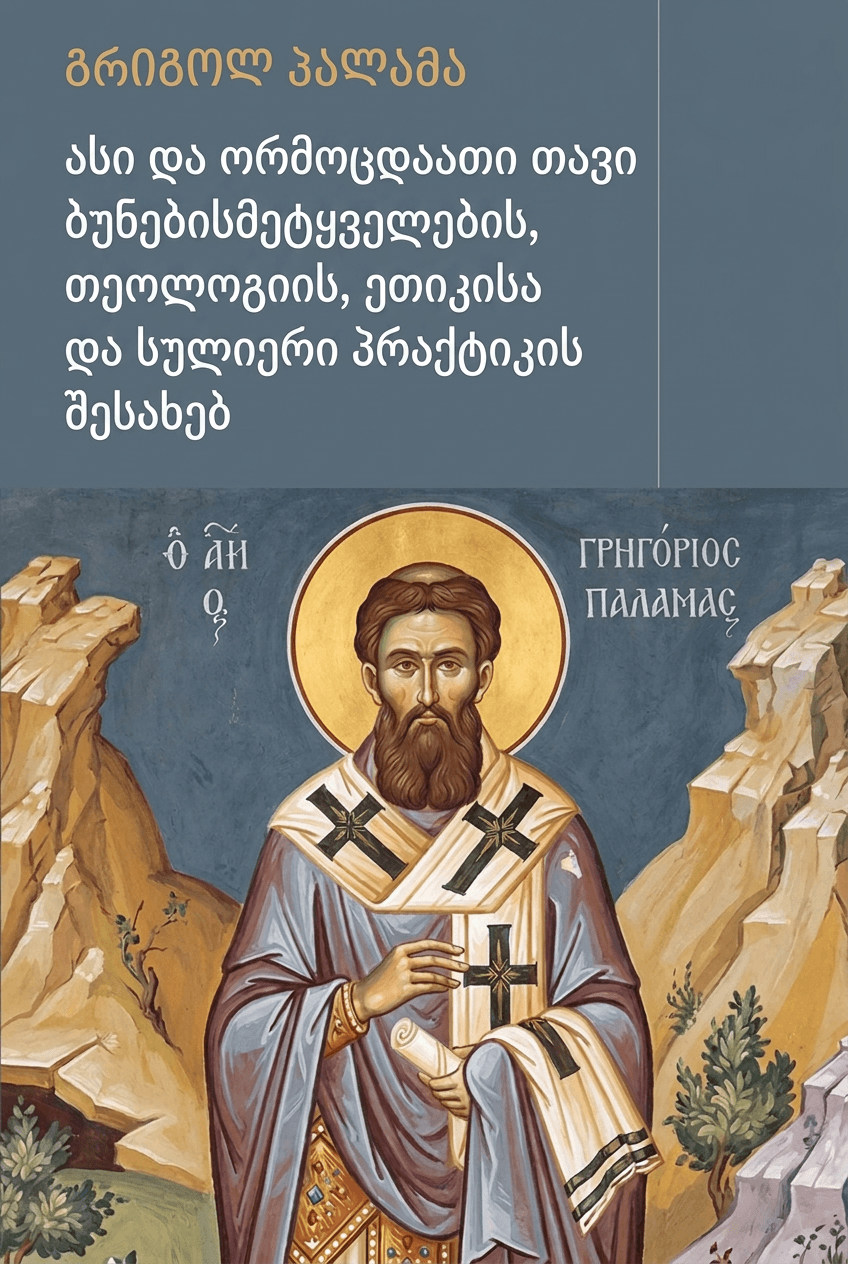 ასი და ორმოცდაათი თავი ბუნებისმეტყველების, თეოლოგიის, ეთიკისა და სულიერი პრაქტიკის შესახებ, და ბარლაამიტური ჭირიდან განწმენდისათვისგრიგოლ პალამა
 განმარტება უმნიშვნელოვანეს (ნიშნებზე) ღვთაებრივი სიმბოლოს გამოთქმებზე, საიდანაც ისინი არიან შეგროვებულნი და ვის წინააღმდეგ არიან მიმართულნისიმეონ თესალონიკელი
 განმარტება ჩვენი მართლმადიდებლური და უბიწო ქრისტიანული რწმენის ღვთაებრივი და წმიდა სიმბოლოსისიმეონ თესალონიკელი
 ევნომისის უარყოფაგრიგოლ ნოსელი
 ეპისტოლე მრავალგანათლებულ გერმან ნიკოლოზისადმიმაქსიმე ბერძენი